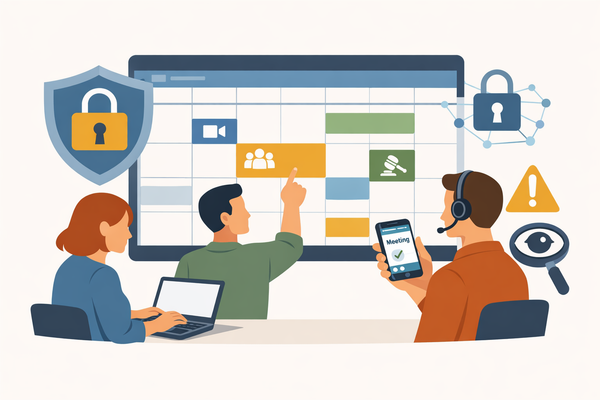
Your calendar knows more than you think
Your calendar is a map of your organizing relationships. A guide to shared group calendars, scheduling tools, and the privacy trade-offs that come with each.
Your calendar is a map of your organizing relationships. A guide to shared group calendars, scheduling tools, and the privacy trade-offs that come with each.

You know you should step away from the news. You have a list of practices that would help and you're not doing them. This isn't a failure of willpower. It's your nervous system doing exactly what it was built to do — and understanding the machinery changes how you relate to it.

The platform you meet on is part of your infrastructure. A guide to video conferencing tools for organizers, from routine chapter calls to sensitive strategy sessions.

When Venezuela's opposition collected 80% of election tally sheets before the regime could suppress them, they weren't just documenting fraud. They were running a model for narrative infrastructure every movement needs. Here's how to build it.
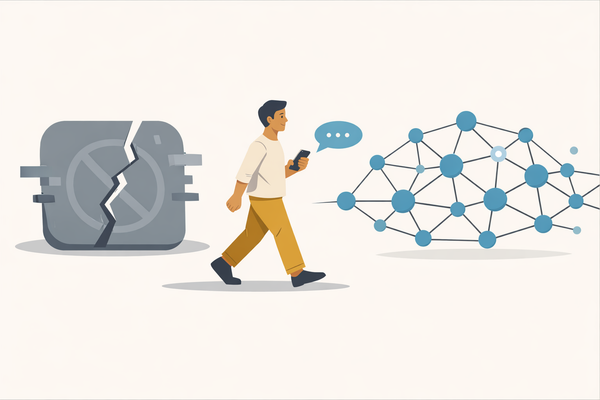
In December 2025, Meta restricted a Tanzanian activist's Instagram at government order. No hack, no drama -- just a legal process and a compliant platform. The fediverse exists because centralized platforms have owners. Here's what the alternative looks like.
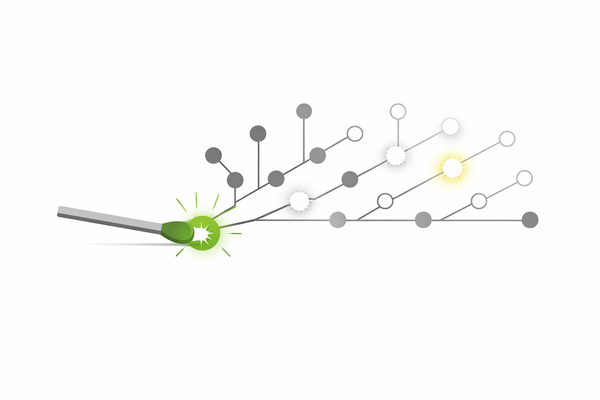
There's a meaningful difference between signing a petition and stopping work. Only one requires you to risk something. That difference is the organizing gap every strike card campaign is trying to close.
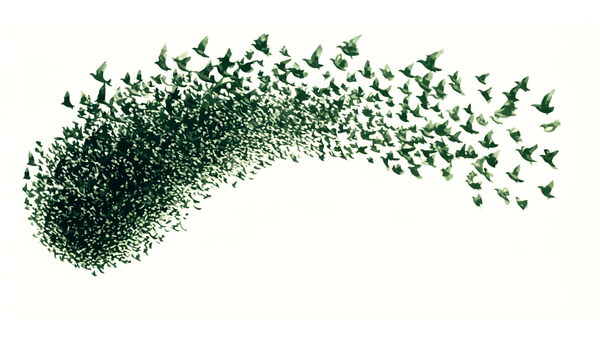
Thousands of autonomous local groups, each doing their own thing, aren't a movement — they're a lot of people who agree with each other. Three case studies in what it actually takes to coordinate without a center.
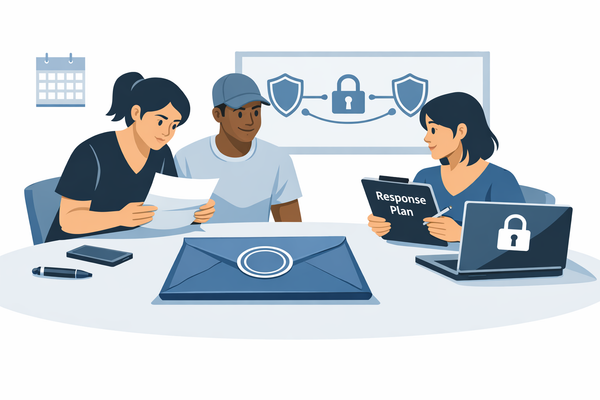
The movement is being watched. This is not paranoia — it is the operating environment. The question facing every organizing group is not whether to take security seriously. It is whether to build it into the movement's DNA before it's needed, or to scramble after something goes wrong.
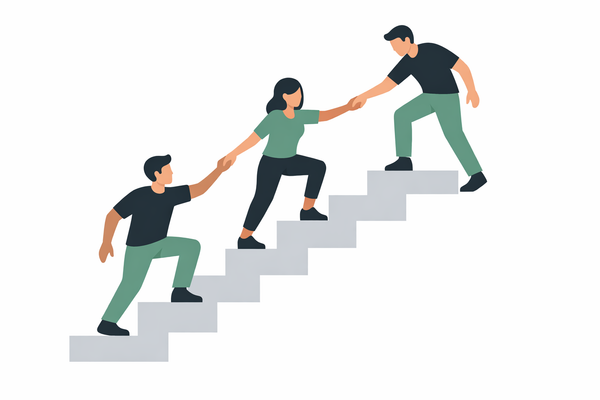
Most organizing groups have supporters. Many have activists. Far fewer have developed the organizer layer that makes a movement self-sustaining. Here's how to build the pipeline — and the digital tools that support each transition.

The difference between having a network and being able to move it within 48 hours is the most dangerous gap in the current movement landscape. Minnesota closed that gap — but not by accident.
Most digital organizing infrastructure is built on rented land. Here's what that means, why it matters more now than it ever has, and what to build before the landlord changes the locks.
The pressure to adopt more digital tools is constant. The better question is what you actually need to accomplish. This article builds a function-first framework for thinking about your digital organizing infrastructure — from a single activist to a coalition of millions.