The infrastructure you own
Most digital organizing infrastructure is built on rented land. Here's what that means, why it matters more now than it ever has, and what to build before the landlord changes the locks.

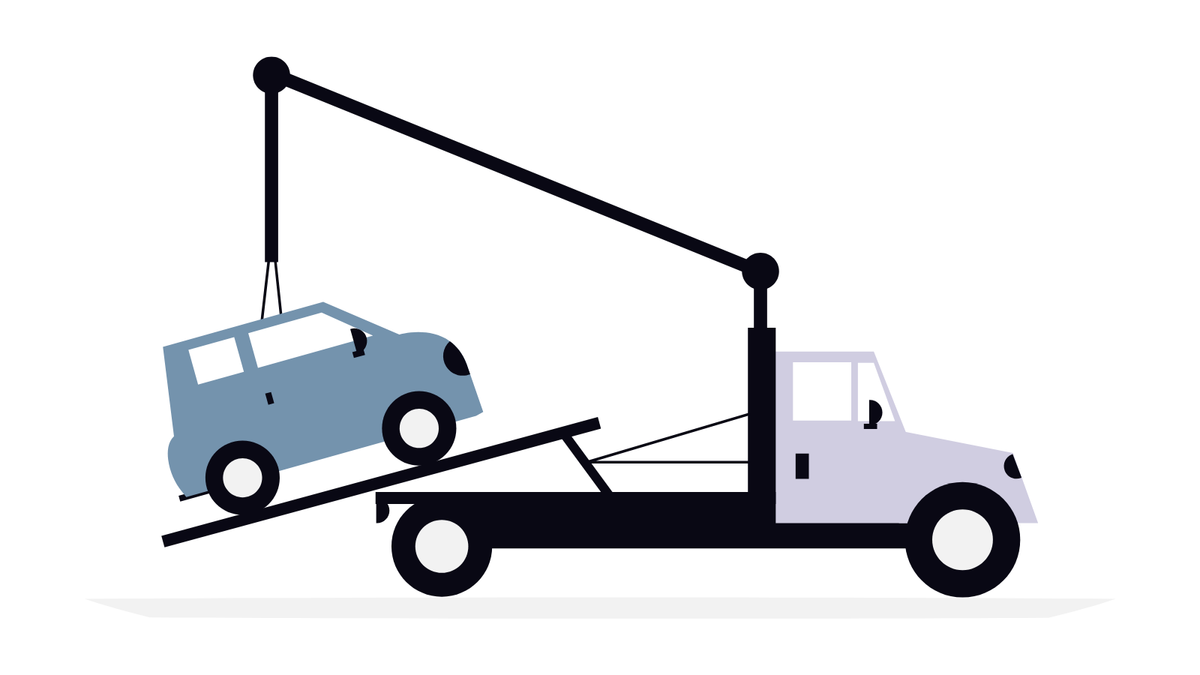
In September 2020, Facebook suspended the accounts of hundreds of organizations and individuals — days before a planned online action targeting the funders of the Coastal GasLink pipeline. The groups locked out included Greenpeace USA, Rainforest Action Network, Climate Hawks Vote, and dozens of Indigenous-led organizations involved in the Wet'suwet'en land defense. They were told the suspensions were the result of copyright violations. Facebook later called it a system error and restored most accounts.
Whether it was an error, an automated enforcement cascade, or something else, the effect was the same: hundreds of organizers lost access to their primary communication infrastructure at the exact moment they needed it most.
This wasn't an isolated incident. Progressive and social justice organizations have experienced page removals, algorithmic suppression, and account restrictions across every major platform — often without warning, often without explanation, and often at the worst possible time. The pattern is consistent enough that treating it as bad luck is no longer reasonable.
The structural problem is this: most digital organizing infrastructure is built on rented land. And most organizers don't fully realize it until the landlord changes the locks.
Rented vs. owned: what the distinction actually means
When organizers talk about their digital presence, they tend to describe it in terms of what they have: a Facebook group with 4,000 members, an Instagram following, a YouTube channel with years of archived video. These feel like assets. In an important sense, they're not.
Rented infrastructure is anything that exists at the discretion of a platform. You have access until you don't. The followers you've built, the group members you've cultivated, the content you've posted — none of it is yours in any meaningful sense. The platform can restrict your reach, suspend your account, change its terms, raise its prices, get acquired, or simply shut down. When that happens, you don't get a warning. You don't get a transition period. You get a notification, if you're lucky, and a process for appeal that may or may not result in restoration.
Owned infrastructure is anything where you control the data and the access. You can export it. You can take it somewhere else. No third party can revoke it. Your email list is owned infrastructure — assuming you're on a platform that lets you export it, and assuming you actually do. Your domain name is owned. Your website, if it's on a platform you control, is owned. The relationship data you've collected and stored outside of any single platform is owned.
The line isn't always obvious. Some tools feel owned but aren't. A Mailchimp list where your export is locked behind a paid tier you're not on is closer to rented than you might think. A Slack workspace on the free plan, where message history disappears after 90 days, is rented history. A Google Group is owned by Google. The test is always the same: Can you take your data and leave? If the answer is no, or not easily, you're renting.
This distinction matters more right now than it ever has. Platform policies are shifting. Algorithms are increasingly opaque. Ownership structures at major tech companies have changed in ways that are not neutral for progressive organizing. The risk calculus has moved, and organizing infrastructure decisions made three or four years ago deserve a fresh look.
What you should own
There are three things every organizing operation — regardless of size or budget — should treat as non-negotiable owned infrastructure.
Your email list. This is the single most important owned asset in digital organizing. An email address you've collected is a direct relationship with a supporter that no platform can take away. Unlike social media followers, your email subscribers opted in to hear from you specifically. Unlike algorithmic reach, email delivery doesn't depend on a platform deciding whether your content is worth showing.
The critical word is export. An email list you can't export is not really owned. Before you invest further in building your list, verify that your email platform allows you to download a full subscriber export in a standard format (CSV is the universal standard). If it doesn't — or if that capability is locked behind a pricing tier you're not on — that's a risk worth addressing now, not when you need the list.
Your domain. Owning yourgroup.org or yourmovement.net means your web presence isn't hostage to any platform. If you're operating primarily through a Facebook page or a Linktree, you don't have a web presence you own — you have a presence on someone else's property. A domain costs roughly $15 a year and is the foundation everything else can be built on. It's the lowest-cost, highest-leverage infrastructure investment available to a small group.
Your contact and member database. The relationships your organization has built — volunteers, donors, advocates, coalition partners — represent years of work. That data belongs to your movement, not to whatever platform currently holds it. Even a simple, regularly updated spreadsheet stored somewhere you control is better than contact data that lives only inside a CRM you might not always have access to. The principle is basic: keep a copy you own of every relationship that matters.
Platform redundancy: escape hatches, not exits
None of this means you should abandon the platforms where your supporters and potential supporters actually are. Facebook groups remain one of the primary organizing spaces for many progressive communities. Instagram reaches audiences that don't read newsletters. YouTube hosts video content that organizers have spent years building. Leaving these platforms wholesale would mean abandoning real reach that took real work to build.
The goal isn't to exit rented infrastructure. It's to make sure that losing any one platform doesn't end your capacity to organize.
That requires building escape hatches — habits and structures that reduce your exposure before you need them.
Collect email before you count on a follower. Every event, every action, every new point of contact is an opportunity to get an email address. If someone engages with your content on social media, invite them onto your list. If someone shows up to an action, capture their email. A social media follower is a relationship you're renting. An email subscriber is a relationship you own.
Establish a secondary presence on at least one alternative platform. You don't need to be active everywhere. But having a presence on a platform outside the main commercial ecosystem — even a modest one — means you have somewhere to direct people if a primary platform fails. The federated social web (a topic for a future article in this series) exists precisely because centralized platforms are single points of failure. A presence there doesn't have to be large to be useful.
Keep institutional memory out of platform-only spaces. If your organization's decision history lives in a Facebook group, your meeting notes are in Messenger threads, and your event planning exists only in platform event tools — you've made your institutional memory dependent on continued platform access. Move it somewhere you own: a shared document folder, a simple wiki, a note-taking system with export capability. The content doesn't have to be elaborate. It has to be somewhere you control.
Data portability as a practice
Owning your infrastructure isn't a one-time setup task. It's an ongoing practice. Data that isn't backed up recently isn't really backed up.
A few specific habits make the difference:
Export your email list regularly. Once a month is a reasonable minimum. Before any major action or campaign, do it again. An export that's six months old is better than nothing, but it's not a real safety net.
Know where your exports live and who can access them. An export that lives only in one person's personal Google Drive is a single point of failure of a different kind. Organizational data should be in organizational storage — somewhere at least two people can reach independently.
Test your backups. This sounds obvious and almost nobody does it. Open the export file. Confirm it contains what you think it contains. A corrupted or incomplete export discovered after a crisis is worse than no backup at all because it generates false confidence.
Use standard formats. CSV files are readable by virtually every email platform, CRM, and spreadsheet tool. Proprietary export formats — files that only open in the platform that created them — create lock-in even after you've technically exported your data. When evaluating any tool, ask not just whether you can export, but whether you can export in a format that's usable elsewhere.
Starting from where you are
If you're reading this as the leader of a small volunteer-run group, the infrastructure gap might feel overwhelming. The answer is not to fix everything at once. It's to make one good decision this week.
For most small groups, that decision is the email list. If you don't have one, start one. If you have one but can't export it, move to a platform that lets you. If you have one and can export it but haven't recently, export it today and set a reminder to do it again next month. That single change meaningfully reduces your exposure.
The domain is the other high-leverage, low-cost step. If your group doesn't own its domain, that's a $15 fix with outsized protective value.
For larger operations with staff and established infrastructure, the right starting point is an audit. Map what you own versus what you rent. Identify your single points of failure — the platforms where losing access would most damage your capacity to organize. Prioritize building redundancy in those places first.
The goal isn't a perfectly resilient digital operation. It's an operation that can absorb a platform failure and keep moving. In the current environment, that's not a theoretical concern — it's a practical one.
What comes next
Ownership is the foundation. The articles that follow in this series go deeper into the specific tool categories that make up a full organizing infrastructure — communication platforms, mobilization tools, coordination systems, and more. In each case, the ownership question will be an explicit part of the evaluation: not just what a tool does, but whether you can leave it with your data intact.
The infrastructure you build should belong to your movement. Build accordingly.
This article is part of Building a Movement, an eight-part series on digital infrastructure for the pro-democracy movement.