
Keeping Our Protests Peaceful: A Guide to De-escalation for Organizers and Activists

De-escalation isn't about backing down from your values—it's about protecting your movement, participants, and message. When you respond to provocation with discipline, you maintain moral authority and keep your message centered.
This guide synthesizes best practices from the ACLU, Indivisible, and MoveOn into actionable strategies you can use immediately.
Understanding the Threats
Outside Agitators intentionally infiltrate protests to provoke violence, create damaging footage, and shift the narrative from your message to "chaos."
Counter-Protestors show up to publicly oppose the message or goals of a protest. They are exercising their own First Amendment rights to free speech and assembly, and they can be peaceful or confrontational.
Well-Meaning Debaters are fellow activists who want to engage counter-protesters. Even with good intentions, these confrontations rarely change minds and often create exactly the optics your opponents want.
Core Principles
Your presence is your power. The goal is visibility and numbers, not individual arguments.
Non-engagement is strength. Refusing to be provoked requires discipline. Frame it this way: "They want us to react. We're not giving them what they want."
Protect the movement. Every viral video of protest violence harms your cause, even if agitators started it.
Before the Protest
For Organizers
Appoint de-escalation teams wearing visible markers (colored vests/armbands) who work in pairs throughout the crowd.
Brief all participants on:
- Today's goals and messaging
- Legal rights during police encounters
- How to identify de-escalation team members
- What to do if confronted
Set clear expectations:
- No weapons
- No property damage
- No physical confrontation
- No engagement with counter-protesters or agitators
For Participants
Know your rights (review ACLU's "Know Your Rights" materials)
Prepare mentally:
- Decide now not to engage with provocateurs
- Practice your go-to phrase: "I'm here for [issue], not to argue"
Go with buddies:
- Stay together and look out for each other
- Agree on a rally point if separated
During the Protest: De-escalation Tactics
When You Encounter Agitators
DO:
Turn away physically. Literally turn your back or body away from them.
Redirect attention. Start a chant, sing a song, hold up signs.
Use the "Peaceful Witness" approach. Position yourself between the agitator and fellow protester. Speak to your protester, not the agitator: "Hey friend, come walk with me over here."
Deploy "Surround and Absorb." Form a peaceful circle around the agitator, turn your backs to them, link arms facing outward, then slowly move the group away.
DON'T:
❌ Argue or debate ❌ Record confrontations with them as the star ❌ Mirror their energy ❌ Touch or physically confront anyone ❌ Separate from your group
When Counter-Protesters Appear
Maintain physical separation (at least 10-15 feet)
Don't take the bait. Practice: "I'm not here to engage with you. I'm here for [issue]."
Stay focused on your message. When interviewed, talk about why you're there, not about them.
When Fellow Protesters Want to Engage
Pull them aside privately. "Hey, can I talk to you for a second?"
Appeal to shared values. "I know you care deeply about this. That's exactly why I don't want us to give them what they want—for us to look like the aggressors."
Redirect to action. "Can you help me lead this chant?" or "The media is over there—let's make sure they hear our message."
Communication That Works
Your Body
- Stay grounded with feet planted
- Keep hands visible and open
- Maintain a neutral expression
- Breathe deeply
Your Voice
- Lower your volume (creates contrast with yelling)
- Slow your pace
- Use a steady tone—no sarcasm or anger
Your Words
Effective phrases:
- "I'm not interested in arguing. I'm here to demonstrate."
- "Please give me space."
- "Let's stay focused on why we're here."
Avoid:
- Insults, sarcasm, lecturing, profanity
Managing Your Adrenaline
When you feel activated:
- Name it: "I'm feeling stressed right now"
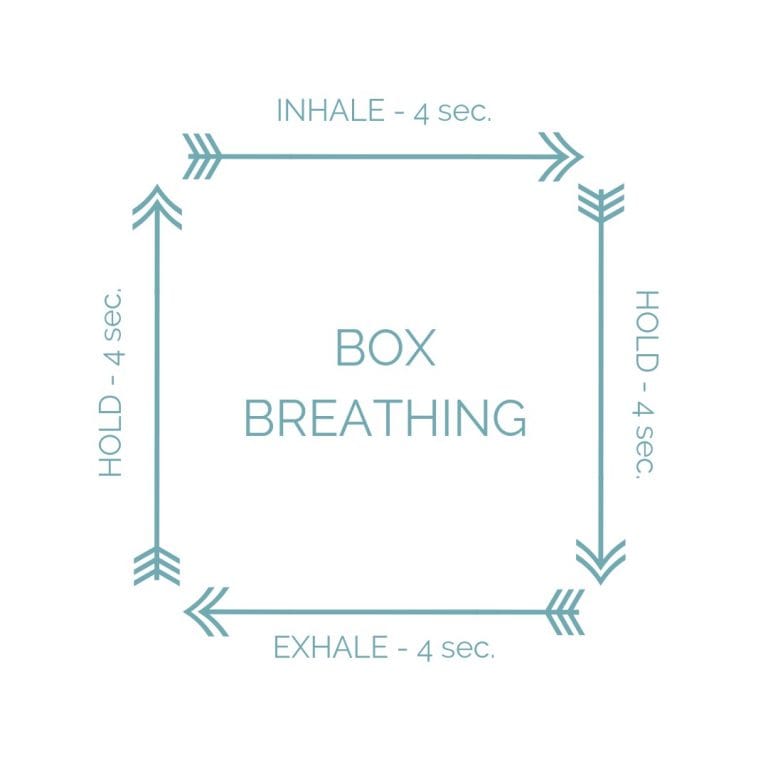
- Breathe: Box breathing (inhale 4, hold 4, exhale 4, hold 4)
- Ground yourself: Feel your feet on the ground
- Reframe: "They want a reaction. I won't give it."
- Seek support: Make eye contact with a buddy
When to Leave
Individual: Leave if you feel unsafe, the situation is escalating despite de-escalation efforts, or police issue dispersal orders.
It's okay to leave. Leaving is not failure.
Organizers: Consider group dispersal if violence breaks out, multiple arrests occur, or police threaten chemical agents.
Quick Reference
BEFORE: Prepare mentally, know your rights, go with buddies
DURING - When Provoked:
- Don't engage—turn away
- Redirect—start a chant
- Create space—move group away
- Alert de-escalation team
DURING - Stay Calm:
- Grounded stance
- Visible hands
- Neutral face
- Deep breaths
- Low, slow voice
IF STRESSED:
- Name it
- Breathe (box breathing)
- Ground yourself
- Reframe thoughts
- Seek support
REMEMBER: Non-engagement is strength. Your presence is your power.
Training Resources
ACLU: www.aclu.org - Constitutional rights and de-escalation training
Indivisible: www.indivisible.org/indivisible-trainings - Comprehensive safety guides and roleplay workshops
MoveOn: www.moveon.org - Video trainings and event organizing guides
De-escalation requires practice and collective commitment. It is not passive or weak—it is strategic, disciplined, and powerful. When we refuse to be provoked, we protect our participants, maintain moral authority, and build sustainable movements.
Your commitment to nonviolent de-escalation is a commitment to the long-term success of the movement.